Explore Responsible Safaris Kenya: A Journey into Ethical Wildlife Adventures
- ian njeru
- May 12
- 4 min read

Embarking on a safari in Kenya is a dream for many. The vast savannahs, majestic wildlife, and vibrant cultures create an unforgettable experience. Yet, as I have discovered, the true magic lies in choosing tours that respect the environment and local communities. Responsible safaris Kenya offer a way to enjoy this beauty while protecting it for future generations. In this post, I will share insights and practical tips to help you explore Kenya’s wilderness ethically and meaningfully.
Understanding Responsible Safaris Kenya: What Does It Mean?
Responsible safaris Kenya go beyond just sightseeing. They involve a commitment to conservation, community support, and sustainable tourism practices. When I first learned about this approach, I realized it transforms a simple trip into a powerful experience that benefits both travelers and the places they visit.
Responsible safaris focus on:
Minimizing environmental impact: Using eco-friendly accommodations, reducing waste, and respecting wildlife habitats.
Supporting local communities: Engaging with local guides, purchasing handmade crafts, and contributing to community projects.
Promoting wildlife conservation: Participating in tours that fund anti-poaching efforts and protect endangered species.
By choosing responsible safaris, I feel connected to the land and its people in a deeper way. It is a chance to witness Kenya’s natural wonders while ensuring they thrive for years to come.
How to Choose Ethical Safari Tours in Kenya
Selecting the right safari operator is crucial. I always look for companies that demonstrate transparency and a genuine commitment to ethical practices. Here are some key factors I consider:
Certification and Affiliations
Look for operators affiliated with recognized conservation organizations or eco-tourism bodies. These partnerships often indicate adherence to high standards.
Community Involvement
Responsible tours actively involve local communities. This can mean employing local guides, supporting schools, or contributing to healthcare initiatives.
Wildlife Welfare
Ethical tours avoid activities that stress animals, such as close-up encounters or feeding wildlife. They maintain safe distances and follow guidelines to minimize disturbance.
Sustainable Accommodations
Eco-lodges and camps that use renewable energy, recycle waste, and conserve water are preferable. These choices reduce the environmental footprint of your stay.
Transparent Pricing
A responsible operator clearly explains how your fees support conservation and community projects. This transparency builds trust and ensures your money makes a positive impact.
When I booked my last trip, I found a wonderful operator that met all these criteria. Their dedication to ethical safari tours Kenya made my experience not only enjoyable but also meaningful.

Immersing in Kenya’s Wildlife with Respect and Care
Kenya’s wildlife is breathtaking, from the iconic Big Five to lesser-known species. Experiencing these animals in their natural habitat is a privilege that comes with responsibility. During my safaris, I follow simple yet important guidelines to ensure the animals’ well-being:
Keep a safe distance: I never approach animals too closely or try to touch them.
Stay quiet and calm: Loud noises can disturb wildlife and alter their natural behavior.
Avoid flash photography: This can startle animals and cause stress.
Follow the guide’s instructions: Experienced guides know how to navigate the terrain without harming the environment or wildlife.
These practices help maintain the delicate balance of the ecosystem. I also appreciate tours that educate travelers about animal behavior and conservation challenges. This knowledge deepens my respect for the creatures I encounter.
Supporting Local Communities Through Safari Experiences
One of the most rewarding aspects of responsible safaris Kenya is the opportunity to connect with local people. Many communities live near national parks and reserves, and tourism can be a vital source of income and cultural preservation.
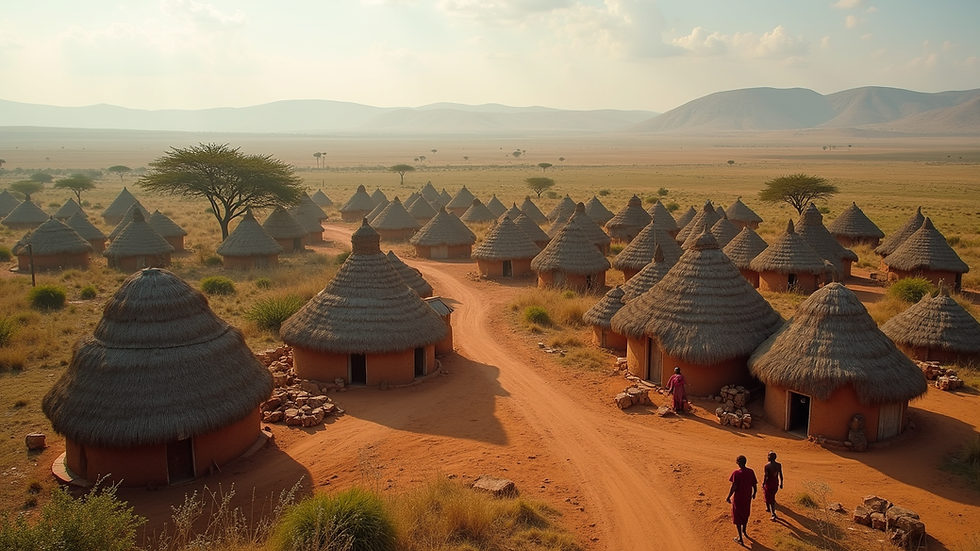
During my travels, I have visited Maasai villages, where I learned about traditional customs and crafts. These visits were arranged by my safari operator in a way that respects the community’s privacy and autonomy. I was able to purchase handmade beadwork directly from artisans, knowing that my support helps sustain their livelihoods.
Additionally, some tours include visits to community-run conservation projects or schools. These experiences offer a glimpse into the challenges and successes of local efforts to protect wildlife and improve living conditions.
By choosing tours that prioritize community engagement, I contribute to a positive cycle of empowerment and conservation.
Practical Tips for Planning Your Ethical Safari in Kenya
Planning a responsible safari requires some preparation. Here are practical steps I recommend to ensure your trip aligns with ethical principles:
Research thoroughly: Read reviews, check certifications, and ask questions about the operator’s sustainability policies.
Pack thoughtfully: Bring reusable water bottles, biodegradable toiletries, and eco-friendly sunscreen to reduce waste and pollution.
Respect local customs: Learn about cultural norms and dress modestly when visiting villages.
Limit plastic use: Avoid single-use plastics and dispose of waste properly.
Choose low-impact activities: Opt for walking safaris, bird watching, or cultural tours that have minimal environmental impact.
Be patient and observant: Wildlife encounters require time and respect. Enjoy the experience without rushing or forcing interactions.
By following these tips, I ensure that my safari is not only enjoyable but also responsible and sustainable.
Embracing the Spirit of Responsible Safaris Kenya
Exploring Kenya’s wilderness through responsible safaris has enriched my understanding of this incredible region. It is a journey that combines adventure with mindfulness, allowing me to appreciate the natural world while contributing to its preservation.
If you are considering a safari, I encourage you to seek out ethical safari tours Kenya that prioritize conservation and community well-being. This approach transforms a holiday into a meaningful experience that supports the future of Kenya’s wildlife and people.
Together, we can enjoy the beauty of Kenya’s landscapes and wildlife with care and respect, ensuring that these treasures remain vibrant for generations to come.


Comments